India’s education system is entering another important phase of curriculum reform, and language learning is at the centre of the discussion. The CBSE three-language policy is drawing renewed attention as the government works on its implementation for students at the secondary-school level.
The debate is particularly important for Class 9 students, who are entering a stage where academic expectations become more demanding. While supporters argue that learning multiple Indian languages can improve communication, cultural understanding and national integration, some parents and students are concerned that another language could increase their academic workload.
The question is no longer simply whether students should learn more languages. It is whether the policy can be implemented in a way that expands learning without creating unnecessary academic pressure.
What Is the CBSE Three-Language Policy?
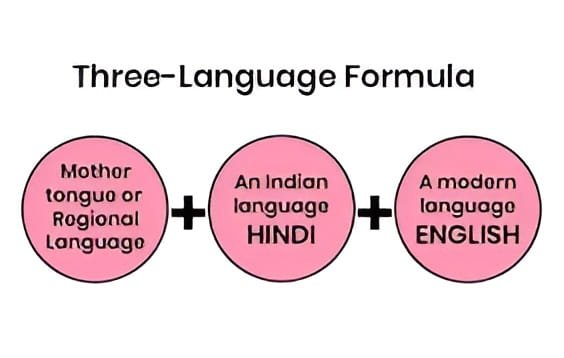
The three-language approach is connected to India’s long-standing Three-Language Formula and the National Education Policy (NEP) 2020.
The policy framework encourages multilingual education and greater familiarity with Indian languages. CBSE’s own material on NEP 2020 describes a three-language approach and says that students should develop linguistic proficiency in three languages by around Class 10, with at least two being languages native to the student.
The idea is not simply to make students memorise vocabulary or pass another examination. Multilingual education is intended to expose students to different linguistic and cultural traditions while strengthening communication skills.
However, implementation matters. A policy that works well in one school may create difficulties in another depending on the availability of teachers, timetable space, learning resources and the languages offered.
Why Is the Three-Language Policy Being Introduced?
One of the major foundations of the policy is NEP 2020, which places considerable emphasis on multilingualism and Indian languages.
The education policy seeks to make learning more rooted in India’s linguistic and cultural diversity. It also encourages the use of home languages, mother tongues and regional languages in education wherever possible, particularly during the earlier years of schooling.
The broader objective is to move away from the idea that proficiency in only one or two languages is enough for every student.
Learning another language can potentially provide several advantages. Students may develop better communication abilities, become more familiar with another culture and gain access to literature and knowledge that they might otherwise miss.
For a country as linguistically diverse as India, multilingual education can therefore be seen as an educational opportunity rather than simply an additional subject.
Why Are Parents Concerned?
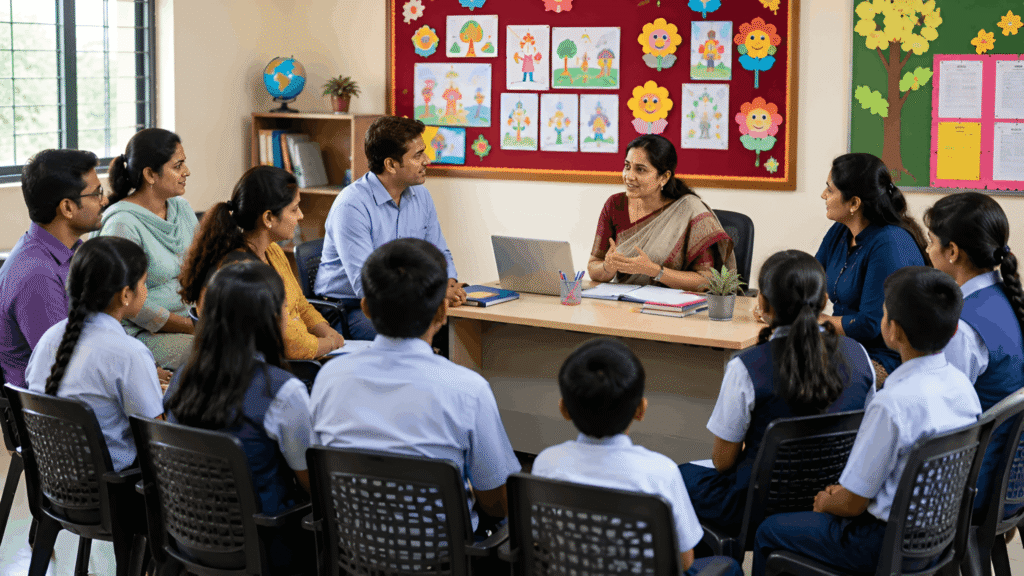
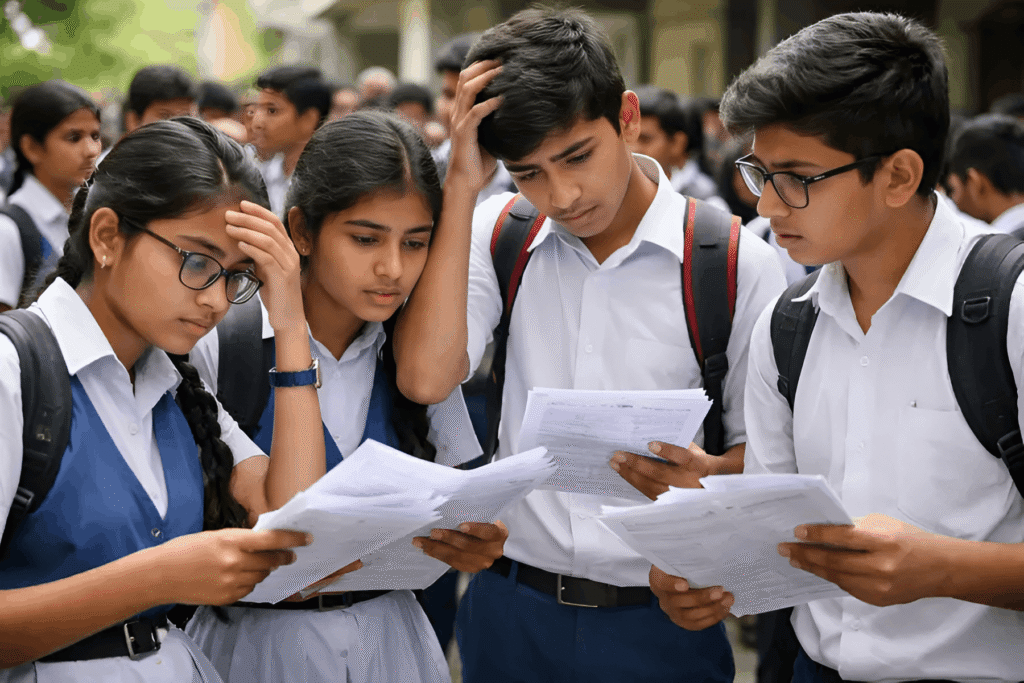
The biggest concern surrounding the CBSE three-language policy is academic pressure.
Class 9 is already an important transition year. Students encounter more advanced concepts in mathematics, science, social science and other subjects while beginning to prepare for the academic expectations of Classes 10 and beyond.
Adding another language may therefore feel like an additional responsibility, particularly if the subject involves regular examinations, assignments and homework.
Parents are also asking whether every school has enough qualified teachers to implement the policy effectively.
A language policy can only succeed when students have access to good teaching. If schools introduce another language without sufficient teachers, learning materials or classroom time, students could end up memorising content rather than genuinely learning the language.
The concern is therefore not necessarily about learning three languages itself, but about how much pressure the implementation could create.
Language Learning vs Academic Burden

This is where the debate becomes more complicated.
Learning another language does not automatically have to mean more academic stress. The experience depends heavily on how the language is taught.
A traditional approach based on memorisation, grammar exercises and examination-focused preparation could turn the third language into another subject students have to study for marks.
A more flexible approach could make language learning interactive through conversations, stories, literature, projects and cultural activities.
This distinction is crucial.
If the objective is genuine multilingualism, students should have opportunities to use the language, rather than simply reproduce textbook answers during examinations.
The implementation of the policy should therefore focus not only on the number of languages students study but also on the quality and flexibility of teaching.
How Does NEP 2020 Connect to the Policy?
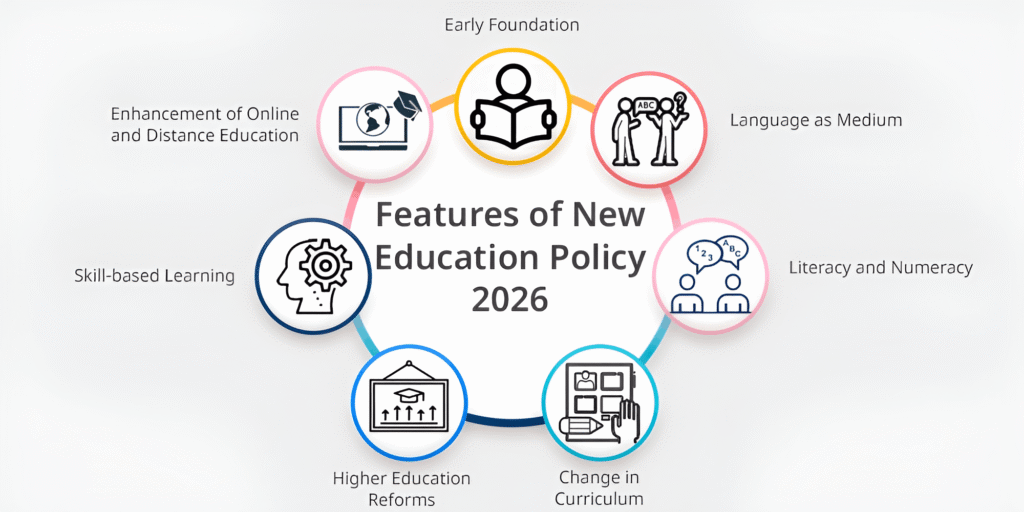
The National Education Policy 2020 provides the broader framework behind India’s current education reforms.
NEP 2020 places emphasis on multilingualism and encourages the use of the mother tongue, home language, local language or regional language as a medium of instruction wherever possible during the early years of education.
CBSE has also highlighted the importance of mother-tongue and regional-language learning in its policy-related materials.
The three-language approach therefore forms part of a larger attempt to make education more flexible, culturally connected and multidisciplinary.
It is important, however, to distinguish between NEP’s policy vision and the practical implementation of that vision in individual schools. A national framework still requires schools, teachers and education authorities to determine how the policy can work effectively for different groups of students.
What Does It Mean for Class 9 Students?
For Class 9 students, the most important issue will be how the language requirement fits into their overall curriculum.
Students will need clarity about which languages they can choose, how the subjects will be taught, how they will be assessed and whether the additional language will affect their overall academic workload.
CBSE has already been implementing wider curriculum reforms for Class 9. Its 2025 governing-body records, for example, describe plans for competency-based assessment and open-book assessment in Class 9 from the 2026–27 academic session.
This makes the timing significant. Students are experiencing several changes in the way secondary education is being structured, making clear communication from schools particularly important.
Parents should therefore look beyond the headline of “three languages” and understand the actual curriculum, assessment structure and language options available at their child’s school.
Could the Policy Actually Benefit Students?
Yes — if implemented thoughtfully.
India’s linguistic diversity is one of its greatest cultural strengths. Giving students an opportunity to learn another Indian language can help them understand communities beyond their immediate surroundings.
It could also make students more comfortable communicating across different regions of the country.
There may be longer-term benefits as well. Knowledge of multiple languages can support communication, cultural awareness and access to different forms of literature and information.
But these benefits are unlikely to appear if students experience the third language as simply another examination they must pass.
The focus should be on language proficiency rather than language accumulation.
The Real Challenge Is Implementation
The success of the CBSE three-language policy will ultimately depend on implementation.
Schools will need trained teachers, appropriate textbooks, sufficient classroom time and flexibility for students with different linguistic backgrounds.
Students should also not be treated as having identical learning needs. A child who already speaks two Indian languages at home may experience the policy very differently from a student whose educational environment has been dominated by English.
This is why flexibility and sensitivity will be essential.
The policy can encourage multilingualism without becoming a one-size-fits-all academic burden.
Helping Students Without Adding Pressure
The debate around the three-language policy should not be reduced to a simple question of whether it is “good” or “bad.”
Learning languages can be highly valuable. At the same time, students already face considerable academic expectations, and any curriculum reform should take their workload and wellbeing seriously.
The best approach may be to make language education practical, engaging and flexible, rather than heavily examination-driven.
If schools can create an environment where students actually enjoy communicating in another language, the third language could become an opportunity rather than another source of stress.
Conclusion: A Good Idea That Needs Careful Execution?
The CBSE Three-Language Policy reflects India’s broader move towards multilingual and culturally rooted education under NEP 2020. Its goals — encouraging language learning, cultural understanding and greater familiarity with India’s linguistic diversity — are significant.
But the success of the policy will depend on how it reaches classrooms.
For Class 9 students, the key question is not simply, “How many languages will I have to study?” It is whether the education system can make multilingual learning meaningful without turning it into another examination burden.
India does not have to choose between language learning and student wellbeing. With the right teaching methods, adequate resources and sensible assessment, it should be possible to achieve both.
The three-language policy could become one of the most valuable parts of India’s education reforms — but only if implementation puts the student’s learning experience at the centre.