A movement that began in the digital world with an unusual name has rapidly moved into India’s streets, campuses and government schools.
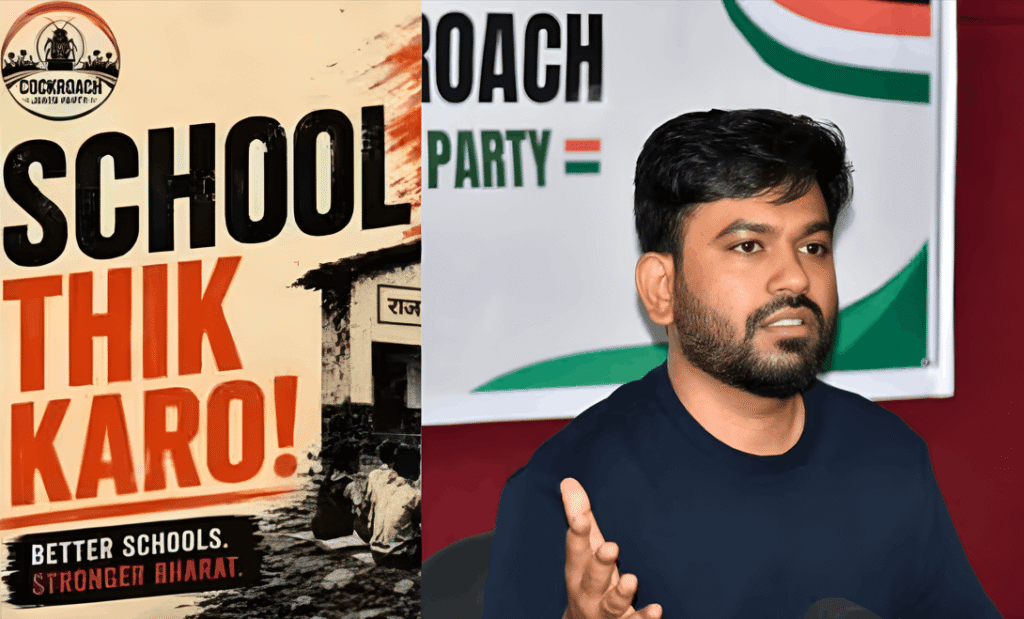
The Cockroach Janta Party (CJP), which emerged as a youth-driven political and social movement, has launched its new “School Thik Karo” (Fix the Schools) campaign to highlight the condition of government schools and demand greater accountability from authorities.
Instead of focusing only on speeches and political promises, the campaign uses school visits, citizen participation, videos and infrastructure audits to document problems on the ground.
The central question behind the movement is straightforward: if education is the foundation of India’s future, why are so many children still studying in schools without basic facilities?
What Is the School Thik Karo Campaign?
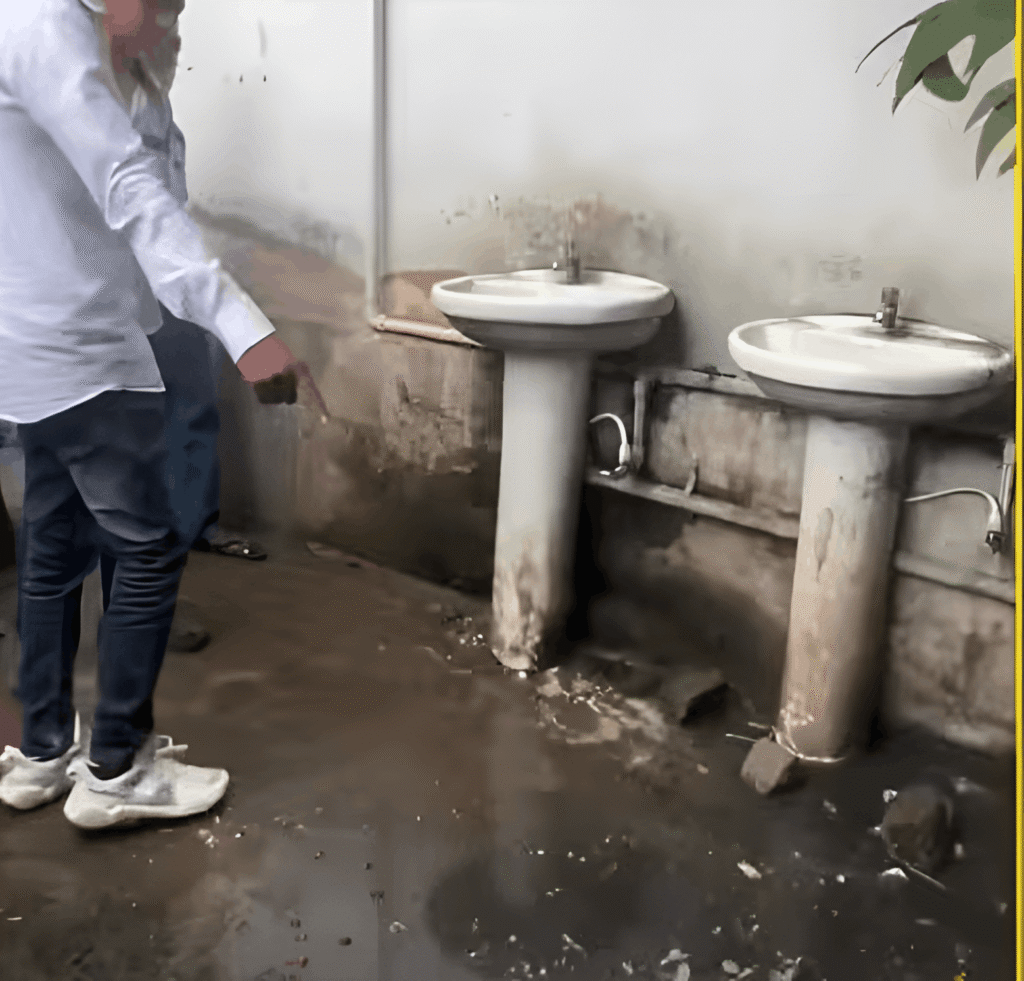
The School Thik Karo campaign was launched on August 15, 2026, in Santuk Pimpri village in Maharashtra’s Hingoli district by CJP founder Abhijeet Dipke. The campaign focuses particularly on government schools in rural and underserved areas.
Volunteers and supporters have been encouraged to inspect schools and document issues such as:
- damaged classrooms and roofs
- broken windows and inadequate furniture
- dirty or unusable toilets
- lack of safe drinking water
- insufficient fans and other basic facilities
- teacher shortages and attendance concerns
- problems related to school meals
- difficulties accessing schools in remote villages
The idea is to turn what might otherwise remain a local complaint into publicly visible evidence.
According to reporting by Careers360, between 1,200 and 1,500 volunteers were involved in the initial school-audit effort, documenting infrastructure and staffing problems across several states.
CJP later cited a much larger figure of 15,000 schools audited, correcting an earlier figure of 1,500. That number should be treated as a claim by the organisation rather than an independently verified national count.
Why Government Schools Have Become the Focus
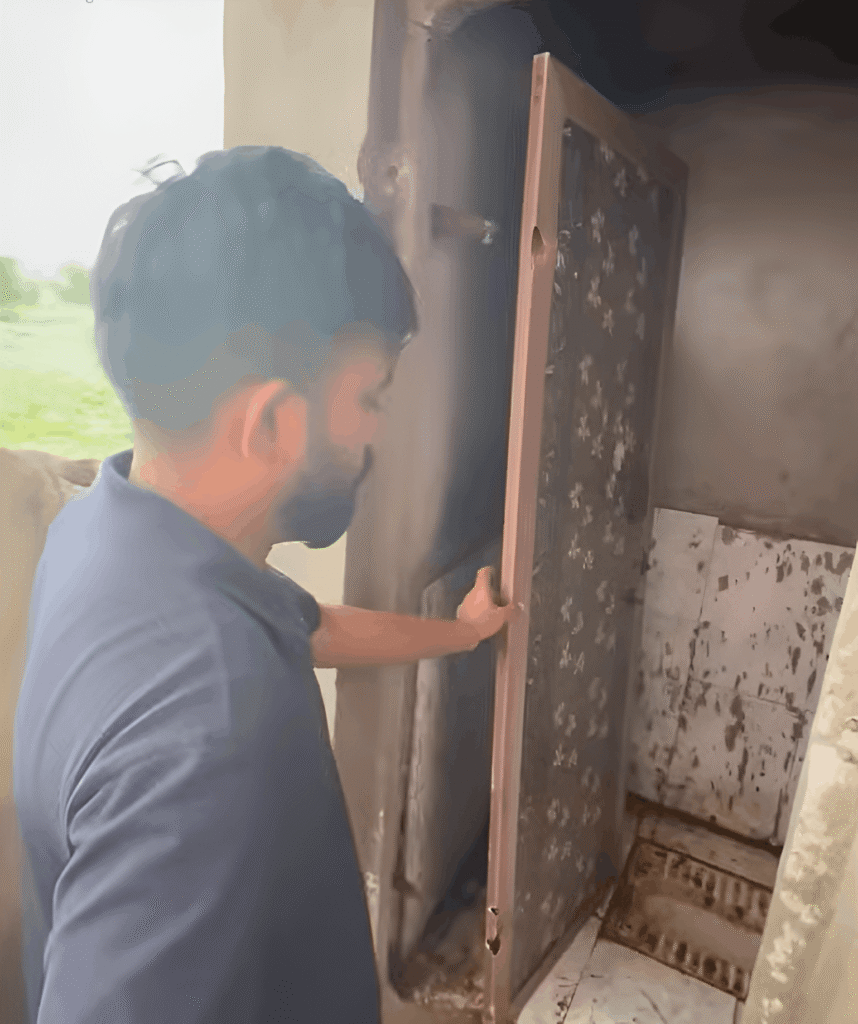
India has made significant progress in expanding access to education, but access to a school and access to a good school are not the same thing.
For millions of children, particularly in rural areas, school buildings, sanitation, drinking water, transportation, teaching staff and learning resources directly affect the quality of education.
The CJP campaign attempts to expose this gap through a simple approach: show the condition of schools instead of talking about it only in policy language.
This strategy has helped make government-school infrastructure more visible in public debate, particularly because photographs and videos of damaged classrooms, neglected toilets and inadequate facilities can spread rapidly on social media.
From School Audits to Rural Accessibility
The campaign has also expanded beyond the physical condition of school buildings.
In Maharashtra, CJP founder Abhijeet Dipke has raised the issue of transportation for children living in remote villages. He argued that some students have to walk several kilometres to reach school, with monsoon conditions making the journey even more difficult.
This broadens the meaning of “fixing schools.”
A school does not truly serve children if students cannot safely reach it, if classrooms are unusable, or if basic facilities are missing.
The campaign therefore touches multiple parts of India’s education system—from buildings and sanitation to staffing, food and accessibility.
A Campaign That Has Already Produced Visible Results
One of the clearest examples of the campaign’s reported impact emerged near Jaipur, Rajasthan.
Following a CJP inspection of a severely neglected government primary school in Rampura Kanwarpura village, the old structure was demolished, with a new building planned to replace it. Times of India reported that the school had been in extremely poor condition and that the CJP campaign helped bring attention to the problem.
That does not mean every school visited by the campaign has been repaired.
However, the Jaipur case is important because it demonstrates the basic theory behind School Thik Karo: documenting a problem publicly can create pressure for administrative action.
The Movement Has Also Faced Resistance
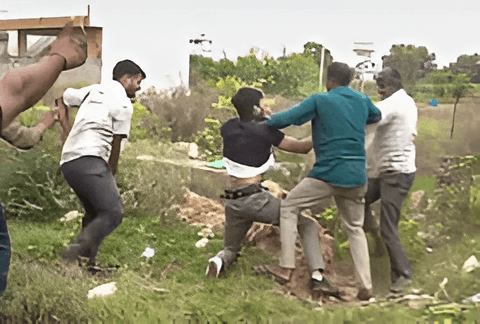
The campaign has not progressed without confrontation.
On August 21, CJP members visiting a school in Rajasthan were reportedly attacked, drawing criticism and raising questions about the risks faced by volunteers conducting school inspections. Deutsche Welle reported that the organisation was attempting to pursue an FIR following the incident.
The movement has also encountered opposition over the involvement of an outside political organisation in school affairs.
An RSS-affiliated organisation criticised CJP’s school visits in Rajasthan, arguing that such intervention could amount to political interference in education.
These disagreements highlight an important question: where should citizen activism end and formal educational administration begin?
Is School Thik Karo Becoming a Political Movement?
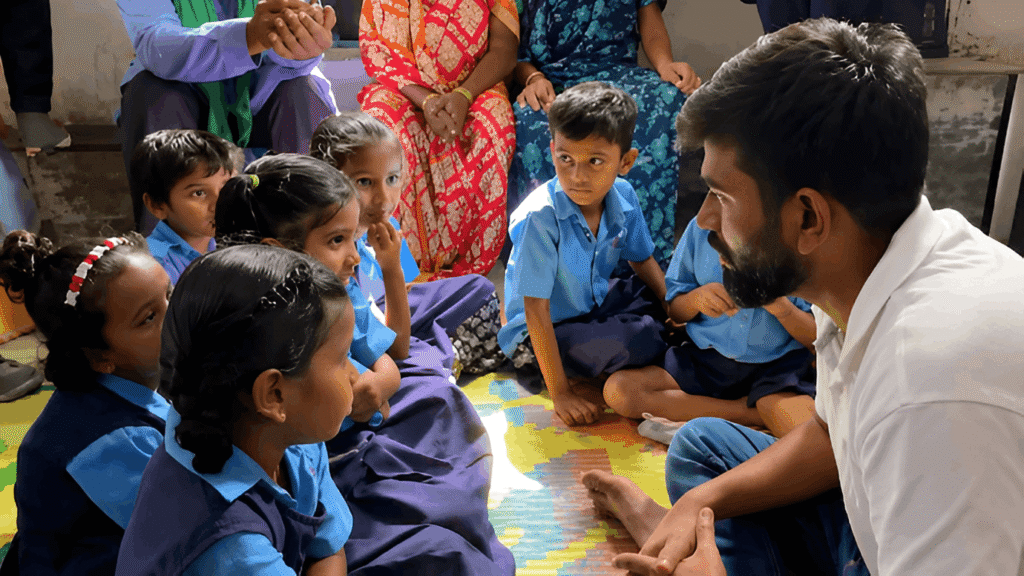
That question is increasingly difficult to avoid.
CJP itself has described its broader ambition as changing the way politics is conducted in India. Its latest campaign is therefore not simply an education initiative; it is also part of a wider attempt to make everyday public problems into political accountability issues.
The campaign comes at a politically significant time, with education and government-school quality potentially becoming important issues ahead of upcoming state elections.
India Today reported that the campaign has already pushed school deficiencies further into political discussion, with governments and opposition parties responding to the issue.
That creates both an opportunity and a challenge for CJP.
The opportunity is that education becomes a genuine election issue rather than something mentioned only in manifestos.
The challenge is ensuring that the campaign remains focused on measurable improvements rather than becoming another political confrontation.
CJP’s Earlier Success Changed Expectations
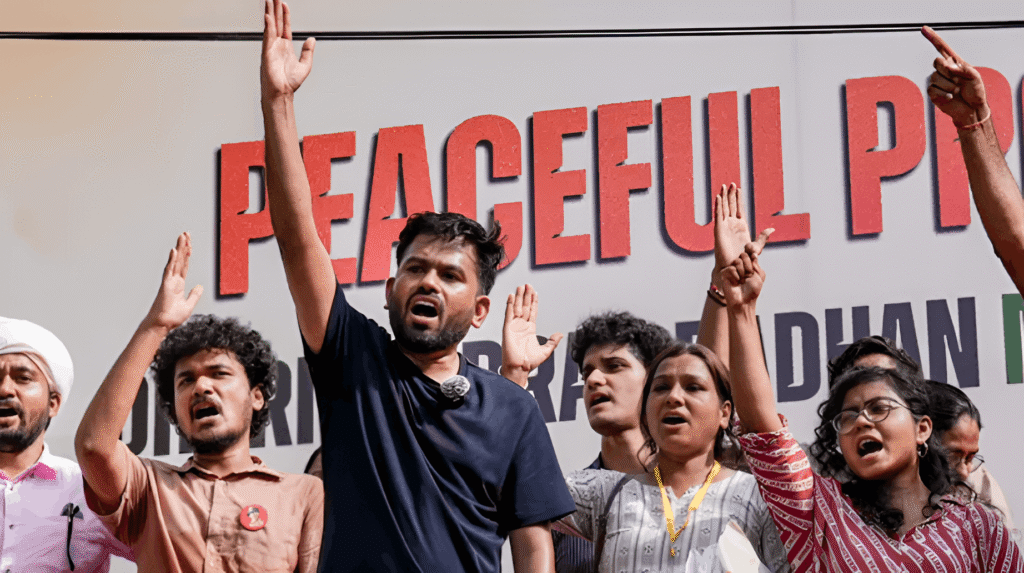
The School Thik Karo campaign cannot be separated completely from CJP’s earlier rise.
The organisation gained national attention through protests over the 2026 NEET controversy and examination irregularities. Reuters reported that Union Education Minister Dharmendra Pradhan resigned on July 25, 2026, following nationwide protests, while CJP had become one of the most prominent groups associated with the agitation.
That earlier episode gave the organisation something many new movements struggle to achieve: proof that sustained public pressure can have political consequences.
School Thik Karo is now testing whether that momentum can be transferred from examination reform to everyday public education infrastructure.
The Success—and the Bigger Question
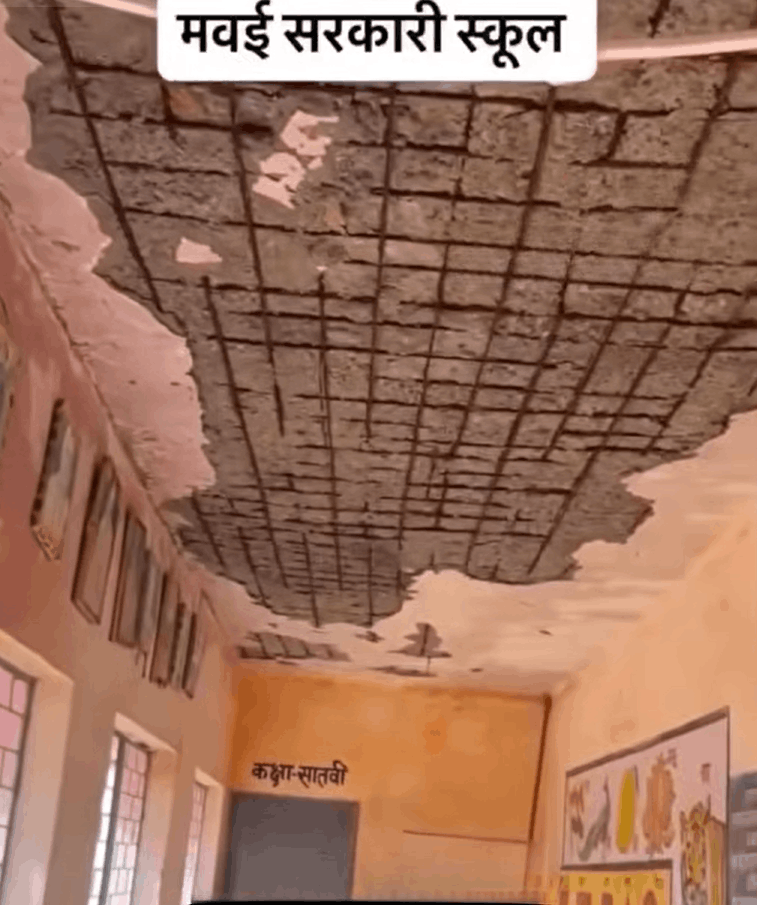
The biggest success of School Thik Karo may not be the number of schools physically repaired.
Its broader achievement could be making ordinary citizens look differently at government schools.
A broken toilet, missing water supply or damaged classroom can be ignored for years when it remains a local complaint. Once thousands of citizens begin documenting those failures, however, the issue becomes harder to hide.
At the same time, claims made by campaigners need independent verification. Numbers, allegations of negligence and claims about government action should be checked against official records and local reporting.
That distinction matters because effective activism needs both public pressure and credible evidence.
What Could Happen Next?
The future of the Cockroach Janta Party’s School Thik Karo movement will depend on what happens after the cameras leave.
Will schools actually receive repairs?
Will teacher shortages be addressed?
Will rural transportation improve?
Will school-meal systems be monitored more effectively?
And will citizens continue auditing schools after the campaign loses its novelty?
Those questions will determine whether School Thik Karo becomes a lasting education-reform movement or another short-lived political campaign.
Conclusion
The Cockroach Janta Party’s School Thik Karo movement has introduced an unusually direct approach to India’s education debate: go to the school, document the problem and demand an answer.
Its early progress—from widespread school audits to reported government responses and the rebuilding of a neglected school in Rajasthan—suggests that the strategy can create pressure.
But its long-term success will not be measured by viral videos, rallies or political headlines.
It will be measured by something much simpler:
better schools, safer classrooms, functioning toilets, clean drinking water, accessible education and better opportunities for children.
For a country that frequently talks about becoming an education and knowledge superpower, perhaps the most important political question is also the most basic one:
Are we willing to fix the schools first?