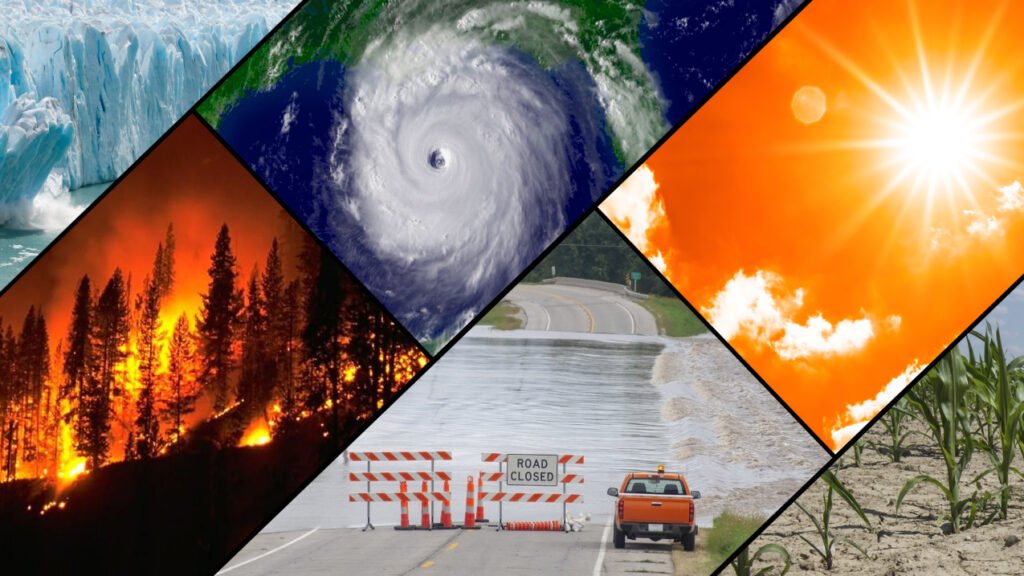
For years, environmental destruction was discussed as a collection of separate problems: climate change, plastic pollution, disappearing forests, melting glaciers, water shortages and wildfires.
But these problems are not separate.
They are connected by a much larger pattern: humanity is placing increasing pressure on the planet’s climate, land, water and natural resources.
The result is a world facing more extreme weather, degraded ecosystems, polluted air and water, disappearing biodiversity and growing competition for essential resources. Earth is not becoming completely uninhabitable, but many places are becoming harder, riskier and more expensive to live in.
Climate Change Is Only One Part of the Crisis
Global warming is one of the most visible symptoms of environmental disruption.
The World Meteorological Organization reports that 2015–2025 were the 11 warmest years on record, while 2025 was approximately 1.43°C above the 1850–1900 average. A warmer atmosphere and ocean can influence rainfall, heatwaves, droughts, storms, ice loss and ecosystems.
But focusing only on temperature can make the environmental crisis appear simpler than it really is.
UNEP describes the world as facing a triple planetary crisis: climate change, biodiversity loss, and pollution and waste. At the same time, humanity is consuming increasing quantities of natural resources.
These pressures reinforce one another.
We Are Consuming the Planet Faster
Modern economies depend on enormous quantities of minerals, metals, fossil fuels, timber, food, water and other natural resources.
According to UNEP’s Global Resources Outlook 2024, global extraction of natural resources has tripled over the past five decades. Without major changes, resource extraction could increase by another 60% by 2060 compared with 2020 levels.
The problem is not consumption itself. People need homes, food, transportation, energy and technology.
The problem is unsustainable consumption—extracting resources, manufacturing products, using them briefly and then generating enormous amounts of waste without adequately accounting for the environmental cost.
Resource extraction and processing are themselves major contributors to environmental pressure. UNEP estimates that they account for more than half of global greenhouse-gas emissions and around 40% of particulate-matter health impacts.
Every product has a footprint before it reaches a consumer.
A smartphone requires mined materials. A building requires sand, stone, metals and energy. Clothing requires fibres, water, chemicals and transportation. Food requires land, water and energy.
Convenience has a hidden environmental bill.
Pollution Is Making the Crisis Personal
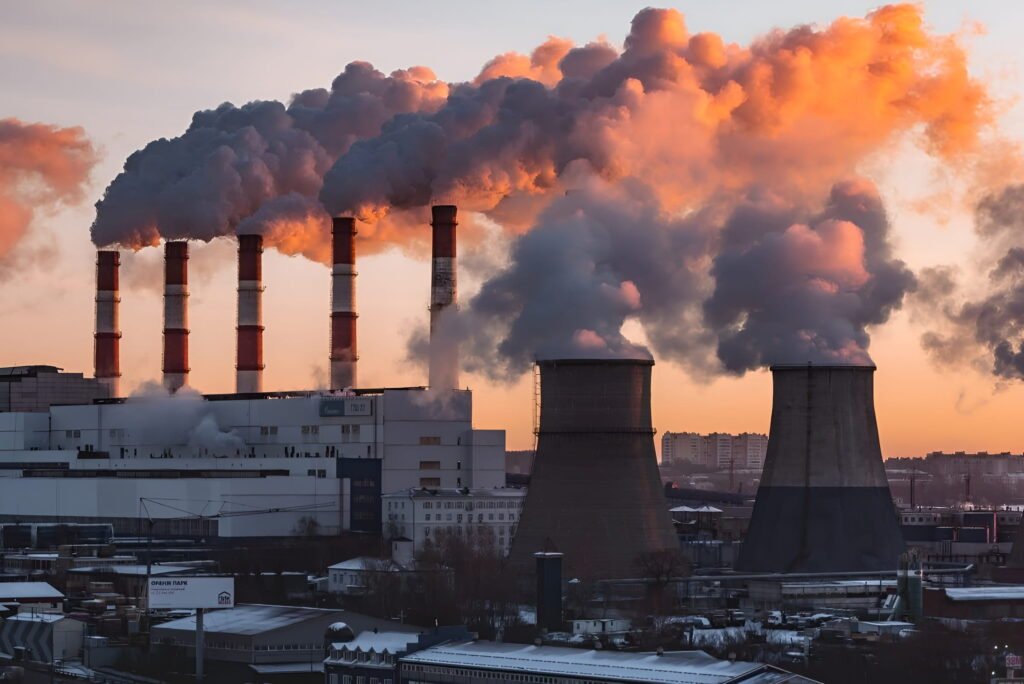
Climate change is measured in degrees, but pollution is something people encounter every day.
Cities surrounded by smog, contaminated rivers, polluted soil and growing waste piles reveal another side of environmental degradation.
The World Health Organization estimates that combined exposure to outdoor and household air pollution is associated with approximately 7 million premature deaths every year. Major sources include transportation, industry, energy production, agriculture and waste burning.
And pollution does not stop at national borders.
Plastic waste can move through drains and rivers into oceans. UNEP estimates that 19–23 million tonnes of plastic waste enter aquatic ecosystems every year, contaminating rivers, lakes and seas.
Plastic pollution illustrates the deeper problem of a throwaway economy: materials designed to be used for minutes can remain in the environment for far longer.
Glaciers Are Losing Their Ice—and Water Security Is at Risk
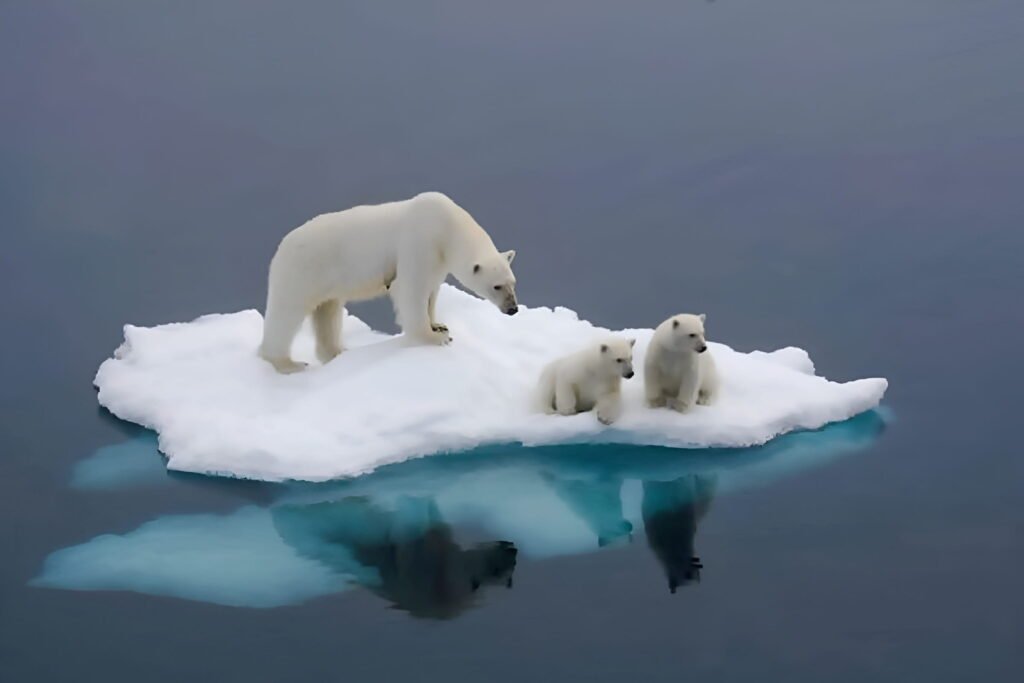
The world’s glaciers are another warning sign.
In the Hindu Kush Himalaya, glaciers are losing ice at an accelerating rate. ICIMOD’s recent assessment reported that glaciers across the region are now losing ice at roughly twice the rate observed around 2000.
That matters far beyond mountain communities.
Glaciers help regulate river systems and provide freshwater to huge populations downstream. Rapid ice loss can increase hazards in the short term, while continued glacier retreat threatens long-term water security.
The danger becomes even greater when rising temperatures interact with intense rainfall, unstable terrain and vulnerable infrastructure.
Nepal Shows How Environmental Risks Can Collide
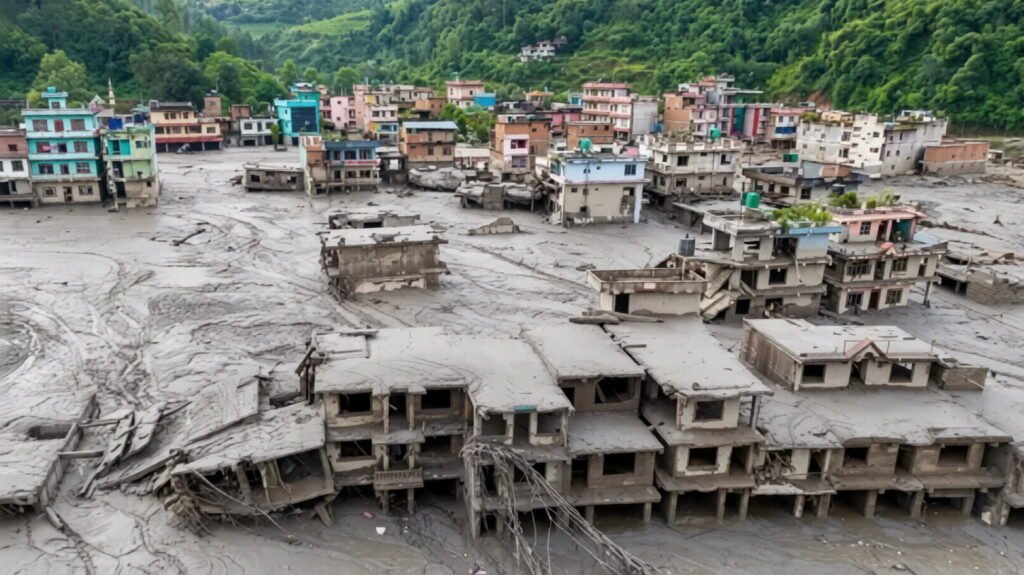
Recent disasters in Nepal demonstrate why environmental problems cannot always be viewed independently.
The country’s mountainous geography makes communities vulnerable to floods, landslides and glacier-related hazards. In August 2026, a catastrophic event in the Trishuli River region caused enormous destruction, with Reuters reporting more than 1,200 deaths and estimated losses of approximately $2.56 billion by September 4, 2026.
Such disasters cannot automatically be blamed on climate change alone. Geology, rainfall, infrastructure and land-use decisions also matter.
But climate change can alter the background conditions in which these hazards occur, increasing pressure on already vulnerable systems.
Wildfires Are Turning Forests Into Sources of Pollution
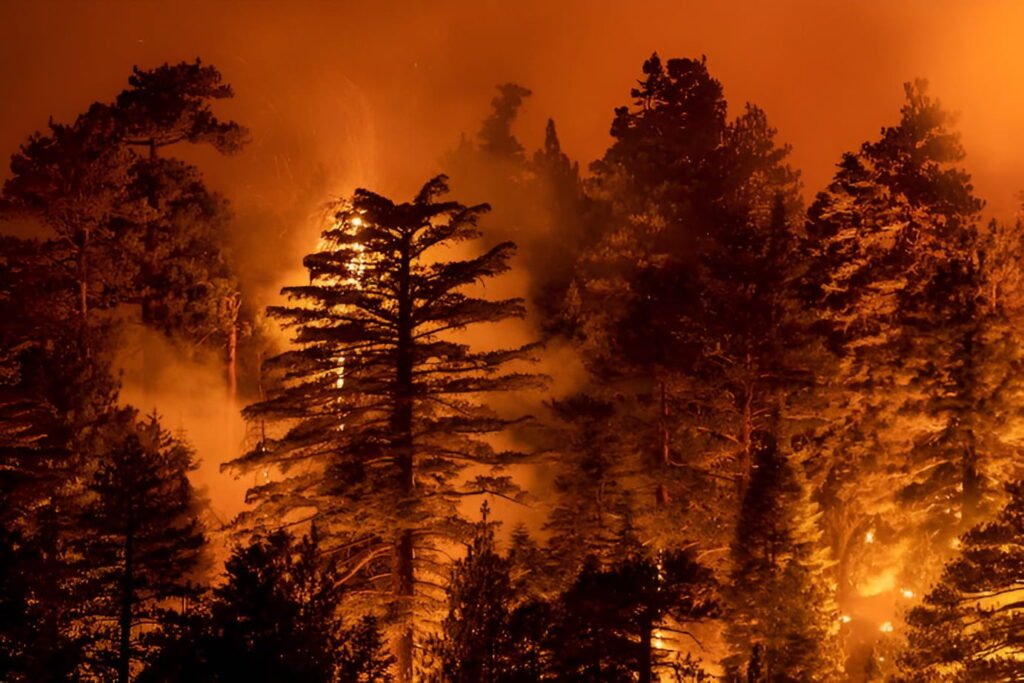
At the other extreme are wildfires.
Hotter and drier conditions can increase fire danger in many regions. When forests burn, the consequences extend beyond the immediate destruction.
Wildfires release greenhouse gases and harmful smoke, destroy habitats, damage soil and vegetation, and can reduce the ability of ecosystems to store carbon.
This creates another environmental feedback: a warming climate can contribute to conditions that promote severe fires, while major fires can release more carbon into the atmosphere.
The crisis is therefore not a straight line. It is a web.
Water and Food Are Becoming Environmental Security Issues
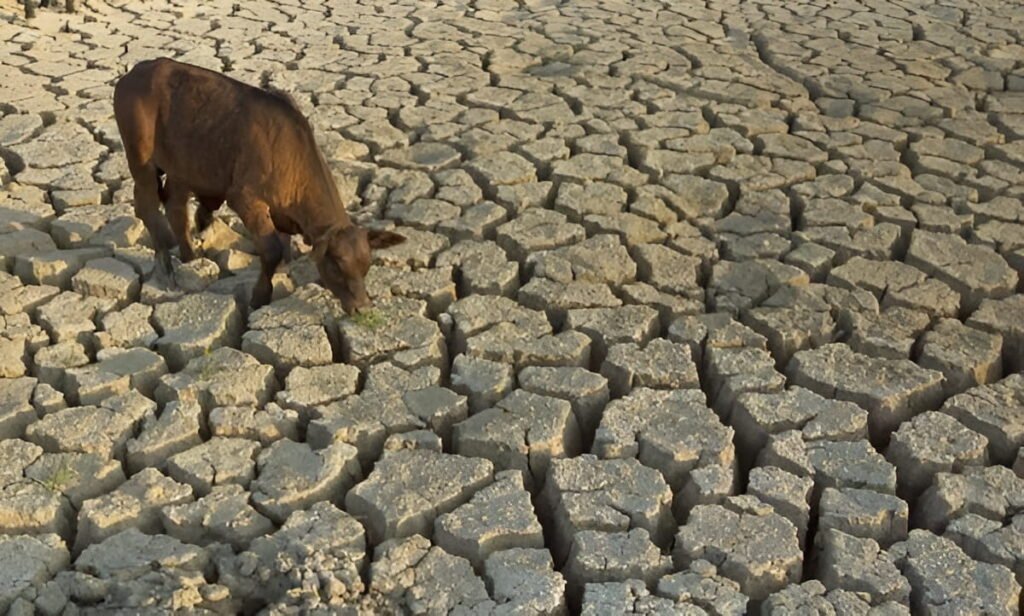
Fresh water is another resource under increasing pressure.
Climate change can alter rainfall patterns while population growth, agriculture, industry and cities continue demanding water. Some regions face drought; others experience destructive floods.
That creates an unusual contradiction: the same planet can experience too much water and too little water at the same time.
Agriculture sits directly in the middle of this problem.
Crops depend on suitable temperatures, predictable rainfall, healthy soil and reliable water. When heatwaves, droughts, floods and soil degradation become more frequent, food systems become more vulnerable.
Environmental instability can therefore become economic and social instability.
Biodiversity Is Disappearing Quietly
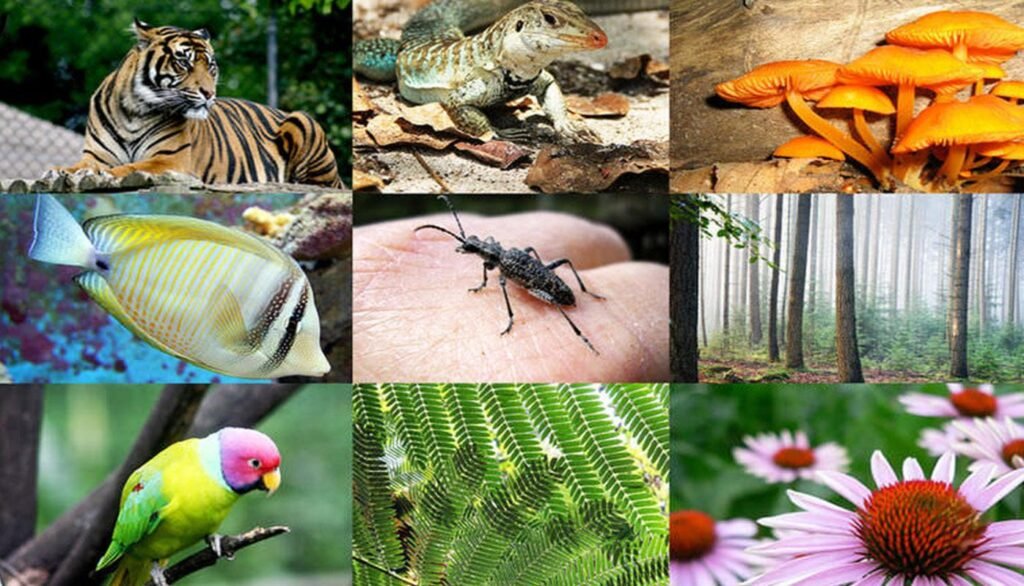
Not every environmental crisis becomes breaking news.
Species disappear. Forests are fragmented. Wetlands are drained. Oceans are altered. Pollinators decline. Soil loses quality.
Biodiversity is not simply about protecting beautiful animals and plants. Ecosystems provide services that humans rely on, including pollination, water regulation, soil formation, carbon storage and coastal protection.
Destroying ecosystems while simultaneously changing the climate creates multiple pressures on the same natural systems.
So, Is Earth Becoming Uninhabitable?
Not in the sense that the entire planet will suddenly become impossible to live on.
The more realistic concern is declining habitability in vulnerable places.
Extreme heat can make outdoor work dangerous. Flooding can destroy homes and infrastructure. Wildfire smoke can make air unsafe. Water shortages can threaten agriculture. Rising seas can increase risks for coastal communities.
At the same time, environmental destruction can make adaptation more difficult.
A society with healthy forests, clean water, functioning ecosystems and resilient infrastructure is better prepared for climate shocks than one already suffering from pollution and resource depletion.
The Bigger Problem Is Our Relationship With the Planet
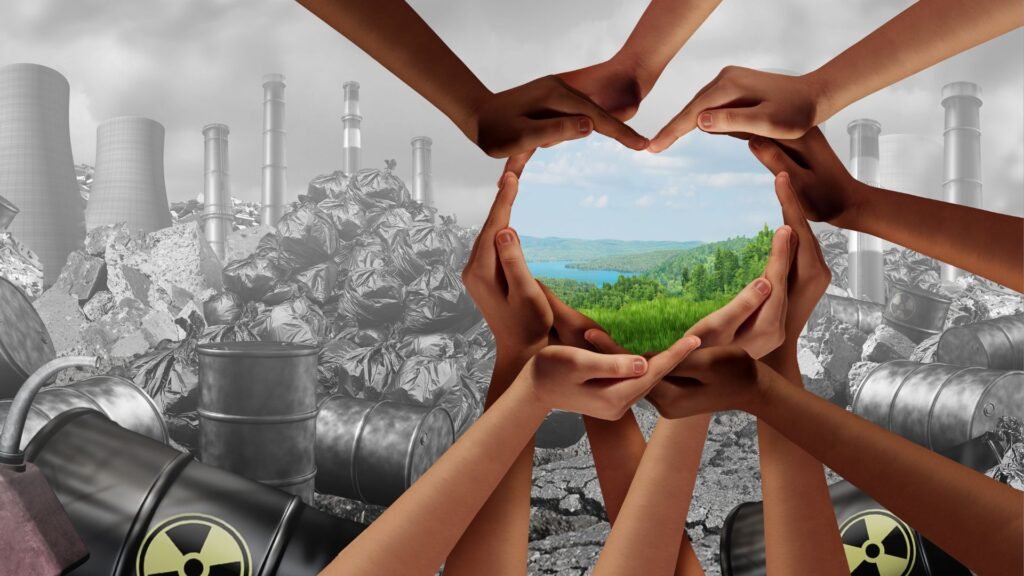
Climate change is not an isolated environmental issue.
It is connected to how energy is produced, how cities are built, how forests are managed, how food is grown, how products are manufactured, how quickly resources are extracted and how much waste society produces.
That is why solving the crisis requires more than reducing carbon emissions.
Humanity also needs to use resources more efficiently, reduce unnecessary waste, protect ecosystems, control pollution, restore damaged environments and rethink an economic model built around continuously increasing material consumption.
The planet is not simply running out of space.
It is running out of healthy natural systems capable of absorbing the pressure we keep putting on them.
Conclusion: The Warning Is Already Here
Melting glaciers, destructive floods, devastating wildfires, polluted air, plastic-filled waterways, shrinking ecosystems and rising resource consumption may appear to be different stories.
They are connected.
The environmental crisis is not one disaster waiting to happen. It is a collection of changes already reshaping the world around us.
The question is not whether Earth will continue to exist.
It will.
The real question is whether humanity can change its relationship with the planet quickly enough to preserve a world where clean air, safe water, stable ecosystems and livable communities remain accessible to everyone.
The future of habitability will be determined not only by how much the planet warms, but by how wisely humanity chooses to live on it.