For generations, the usual path to education seemed simple: children went to school, sat in classrooms, followed a timetable, completed homework and prepared for exams.
But today, some parents are asking a different question: Does every child need to learn in exactly the same way?
That question has helped homeschooling grow from an alternative educational choice into a serious option for many families.
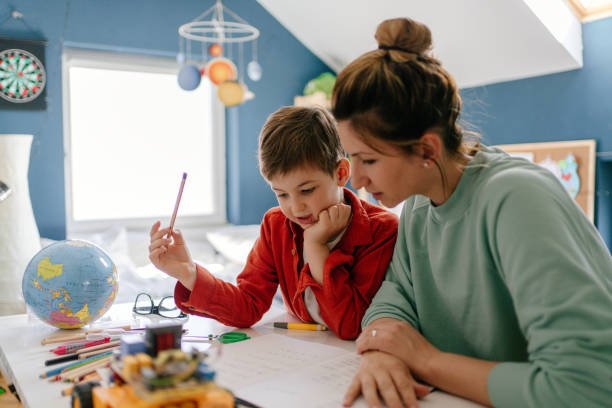
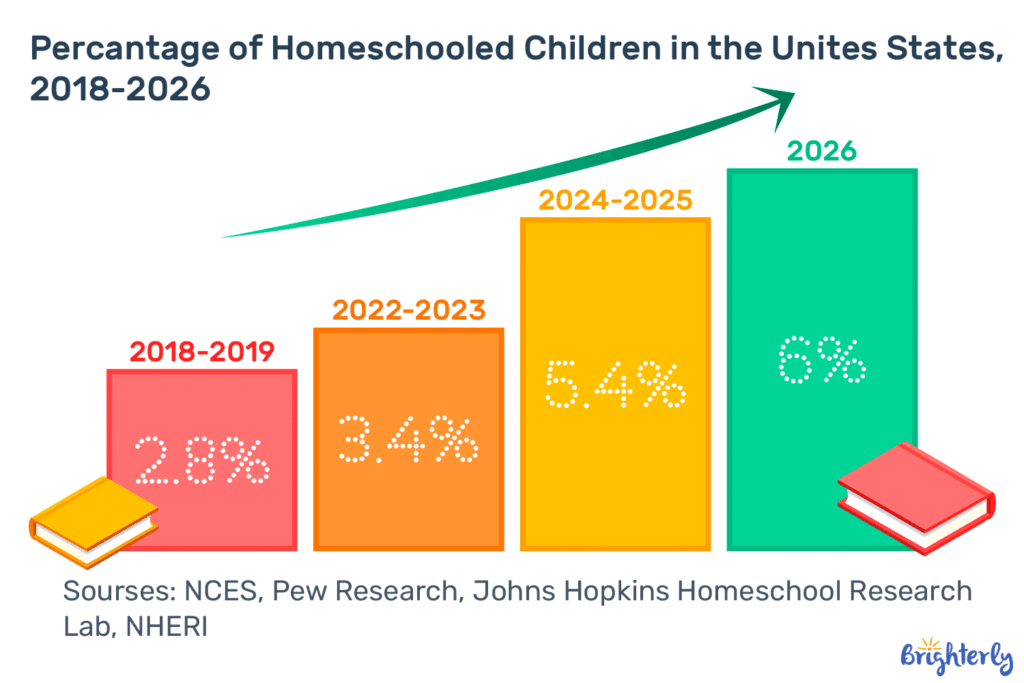
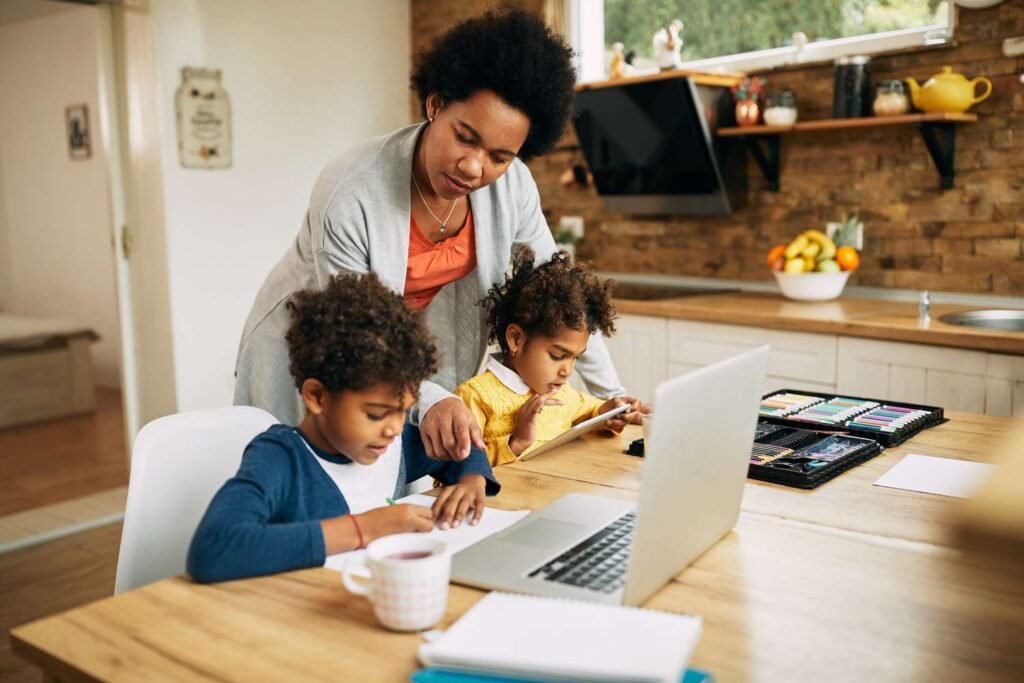
Homeschooling allows parents or guardians to take a more direct role in a child’s education, often combining textbooks, online resources, practical activities, community learning and personalised teaching. In the United States, about 3.4% of children aged 5–17 were reported as homeschooled during the 2022–23 school year, up from earlier years.
So why are some parents choosing education at home?
Why Are Parents Choosing Homeschooling?
There isn’t one reason.
According to the U.S. National Center for Education Statistics, parents of homeschooled children most commonly cited concerns about the school environment. Other frequently reported reasons included providing moral instruction, spending more time as a family and dissatisfaction with academic instruction in other schools.
For some families, the attraction is personalisation.
A traditional classroom has to serve many students at once. At home, parents can potentially adjust the pace. A child who understands mathematics quickly can move ahead, while someone struggling with a concept can spend more time practising it.
For others, homeschooling offers greater flexibility. Education can be organised around travel, family circumstances, extracurricular interests or a child’s particular learning needs.
How Does Homeschooling Work?
Homeschooling does not mean simply keeping a child at home with a pile of textbooks.
There are many different approaches.
1. Traditional Curriculum
This is the closest approach to conventional schooling. Parents follow structured textbooks and schedules for subjects such as mathematics, science, languages, history and geography.
2. Online Learning
Children can use digital courses, recorded lessons, virtual classes and educational platforms. Parents may act primarily as supervisors while specialised teachers provide some instruction.
3. Project-Based Learning
Instead of studying every subject separately, students learn through projects.
For example, building a small garden can involve biology, mathematics, environmental science, writing and budgeting at the same time.
4. Experiential Learning
Learning happens through real-world experiences: museums, libraries, cooking, experiments, nature walks, community activities and practical projects.
Research on experiential learning has found generally positive effects on academic achievement, including evidence involving science, vocabulary, memory, motivation and engagement.
5. Hybrid Homeschooling
Some families combine homeschooling with outside classes, tutoring, sports, clubs or part-time educational programmes.
This can give children the flexibility of home education while maintaining regular interaction with other students.
The Biggest Benefits of Homeschooling
One of homeschooling’s strongest advantages is flexibility.
A child doesn’t necessarily have to spend every weekday following exactly the same schedule. Families can create routines around the child’s needs and circumstances.
Another potential advantage is individual attention.
Parents can observe where a child is struggling and adjust their teaching accordingly. They can also identify interests that might not receive much classroom time and explore them further.
Homeschooling can also create more opportunities for learning outside textbooks.
Cooking can teach measurements and chemistry. Shopping can teach budgeting and percentages. Gardening can introduce biology. Writing a family newsletter can develop communication skills.
In this sense, the world itself can become part of the classroom.
What Does Research Say About Homeschooling Success?
This is where the conversation needs some caution.
Some research has found that homeschooled students can perform as well as or better than conventionally schooled students on certain academic and social-emotional measures. However, researchers also warn that existing studies have methodological limitations, including the possibility that families who choose homeschooling differ from families who do not. Therefore, it is difficult to conclude that homeschooling itself causes better outcomes.
In other words, homeschooling can be successful, but success depends heavily on how it is implemented.
A well-planned home learning environment can provide rich opportunities for development. OECD research also finds positive associations between development-focused activities at home and children’s learning and social-emotional outcomes, including literacy, numeracy, trust and prosocial behaviour.
What About Socialisation?
One of the most common criticisms of homeschooling is that children may miss out on friendships and group experiences.
But homeschooling does not automatically mean isolation.
Children can interact through sports teams, clubs, libraries, community activities, cultural programmes, classes, neighbourhood groups and homeschool communities.
The important question is not simply “school or home?” but whether a child has meaningful opportunities to communicate, cooperate, make friends and participate in a wider community.
The Challenges Parents Need to Consider
Homeschooling also has real challenges.
Parents may need to spend considerable time planning lessons, monitoring progress and providing support. It can also be difficult when a parent is working full-time or does not feel confident teaching particular subjects.
Another challenge is maintaining a healthy balance between education and family life. When the home becomes both a classroom and a living space, boundaries can sometimes become difficult.
There are also legal requirements that vary by country and, in some places, by state or region. Families considering homeschooling should therefore check the rules that apply where they live.
Is Homeschooling Better Than Traditional School?
There is no universal answer.
Traditional schools provide structured curricula, trained teachers, laboratories, sports facilities, peer interaction and established systems for assessment.
Homeschooling can provide flexibility, individualisation and greater parental involvement.
The better option depends on the child, family, resources, educational goals and learning environment.
The real value of homeschooling may not be that it replaces traditional education. Instead, it demonstrates that education does not have to look exactly the same for every child.
The Future of Education May Be More Flexible
Perhaps the most interesting part of the homeschooling movement is that it challenges an old assumption: that learning must happen at a particular place, at a particular time, in a particular format.
The future may include traditional schools, homeschooling, hybrid education, online learning and community-based education existing alongside one another.
Technology has made access to educational resources easier, while parents are increasingly interested in personalised learning.
But technology alone cannot educate a child. Good education still depends on curiosity, guidance, meaningful relationships, practice and a supportive environment.
Final Thoughts
Homeschooling is neither a magic solution nor a failed alternative.
For some children and families, it can provide a flexible and highly personalised education. For others, a traditional school may offer resources, structure and social opportunities that better fit their needs.
What matters most is not the location of the classroom.
It is the quality of the learning environment.
As more families explore different educational models, the bigger question may no longer be “Should every child go to school?”
It may be:
“What kind of education helps this particular child learn, grow and prepare for life?”
That question could shape the next generation of education.
Read More